Top Trends in Commercial Building Signs San Jose Businesses Are Using in 2026
.jpg)
San Jose is a city where innovation and tradition converge, shaping the way businesses present themselves to the world. As commercial landscapes evolve, so do the expectations for signage—no longer just functional identifiers but creative, strategic assets that enhance visibility, brand recall, and customer engagement. In 2026, Commercial Building Signs San Jose companies and brands are adopting bold aesthetics, smart technologies, and sustainable practices that reflect the dynamic business environment of Silicon Valley and its surrounding communities like Santa Clara, Cupertino, Milpitas, and Campbell.
With competition intensifying and consumer behavior shifting, signage has become more than a static necessity. Today’s Signs for Buildings are experiential tools that elevate the customer journey, establish identity, and broadcast personality at first glance. From immersive LED facades to eco-friendly materials and AI-powered wayfinding, this article explores the top trends reshaping commercial signage in and around San Jose.
1. The Rise of Digital and Interactive Displays
Gone are the days when building signs were merely printed panels. In 2026, digital signage is a dominant force in commercial spaces.
Dynamic Content Displays
Businesses are adopting vibrant LED and LCD signage that offers dynamic messaging—rotating promotions, real-time updates, social media feeds, and interactive customer engagement. In high-traffic areas like downtown San Jose or near Santana Row, dynamic displays grab attention and convey timely information faster than traditional static signs.
Interactive Wayfinding Kiosks
Large commercial complexes, malls, and corporate campuses are incorporating smart wayfinding signage. These touch-screen kiosks help visitors navigate spaces effortlessly while also displaying ads and announcements tailored to the time of day or consumer trends.
Augmented Reality Signage
AR signage is an emerging trend, particularly among tech-savvy businesses. Customers can scan QR codes on building signs to unlock virtual product tours, promotional videos, or even 3D brand mascots projected onto their smartphones.
2. Eco-Conscious Materials and Green Messaging
Environmental responsibility is a priority in Silicon Valley culture, and that extends to signage.
Recycled and Sustainable Sign Materials
San Jose businesses are choosing recycled metals, reclaimed wood, and plant-based composites for their signage. These sustainable materials reduce ecological impact and align with corporate responsibility goals. Commercial centers in Santa Clara and Cupertino have led the charge by installing biodegradable sign components and low-impact adhesive films.
Solar-Powered Illuminated Signs
To reduce energy consumption and utility costs, solar-powered LED signage has become popular. These systems store solar energy during the day and illuminate at night—ideal for storefronts on busy streets like Stevens Creek Boulevard or Winchester Boulevard.
Natural Aesthetic Integrations
A growing trend is the blending of signage with living elements like vertical gardens, moss walls, and planter integrated lettering. This biophilic approach delights pedestrians while sending a message of sustainability and wellness.
3. Minimalist and High-Contrast Design Language
2026’s visual language is streamlined, bold, and intentional.
Simplicity with Purpose
San Jose businesses are embracing minimalism in signage—clean lines, uncluttered fonts, and monochromatic palettes with high contrast. This approach enhances readability from a distance and conveys confidence and clarity.
Bold Typography
Typography has become a design focal point. Sans serif fonts with distinctive character weights and custom letterforms are used to reinforce brand identity. Bold typefaces paired with concise messaging help Commercial Building Signs San Jose companies stand out amidst visual clutter.
Negative Space and Depth
Designers are using negative space creatively to form shapes and symbols within the sign structure. Additionally, layered signs with depth and shadow create a sculptural effect that draws the eye.
4. 3D and Dimensional Lettering
Dimensional lettering has been a long-standing trend, but in 2026 it has evolved with more refined techniques.
Metallic and Acrylic Combinations
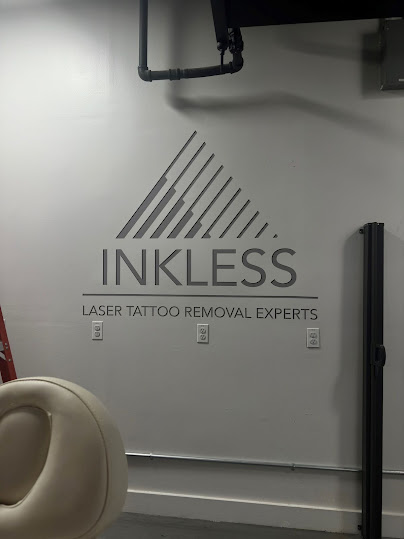
High-end finishes using brushed aluminum, copper, and premium acrylic give signs a sophisticated look—perfect for professional offices, boutique retailers, and hospitality venues in areas like Willow Glen or Los Gatos.
Back-Lit Halo Effects
Halo lighting creates dramatic visibility after sunset. LED modules behind raised letters cast a halo glow that enhances depth and legibility, especially in mixed-use environments where lighting conditions vary throughout the day.
Floating Letters
Signs with letters that appear to float off the building surface are gaining traction. This effect is achieved with standoffs and hidden mechanical mounts that leave a seamless, premium finish.
5. Smart and Connected Signage Solutions
As businesses become more integrated with IoT technologies, signage follows suit.
Sensors and Behavioral Triggers
Some advanced signs now respond to foot traffic or environmental cues. For example, displays near busier pathways may switch to high-impact promotional content, while quieter locations show calming brand visuals to match ambiance.
Cloud-Connected Content Management
Companies can update signage content across multiple locations through cloud-based platforms. For multi-location brands with stores in San Jose, Fremont, and Oakland, centralized updates save time and ensure consistency.
Data Analytics Integration
Smart signage systems collect data on engagement rates, dwell time, and interaction frequency. Businesses use these analytics to optimize messaging, tailor offers, and refine their visual strategies over time.
6. Brand Storytelling Through Signage
Commercial signs in 2026 are not just identifiers—they are storytellers.
Heritage and Local Identity
San Jose’s community-focused businesses are integrating local history, cultural motifs, and regional narratives into their signage. Murals, carved signage, and heritage symbols foster connection and pride among residents and visitors alike.
Emotion-Driven Visuals
Brands are using color psychology, evocative phrases, and emotionally resonant imagery to create memorable impressions. Rather than generic text, messaging is crafted to trigger positive sentiments that align with brand values.
Seasonal and Thematic Variability
Rather than static messages year-round, signs are designed with modular elements allowing easy seasonal refreshes. Holiday themes, event-specific graphics, and campaign-oriented sign overlays keep visual messaging relevant and engaging.
7. Accessibility and Inclusive Signage
Inclusivity is central to modern commercial design.
ADA-Compliant Signage
Properly designed tactile lettering, braille integrations, and high-contrast graphics ensure accessibility for visually impaired patrons. San Jose businesses are updating signs to exceed ADA requirements, setting higher standards for inclusivity in the region.
Multilingual Messaging
With diverse communities throughout San Jose, multilingual signs are essential. Businesses often pair English with Spanish, Vietnamese, and Mandarin translations to welcome a broader audience and foster inclusivity.
Readable from All Angles
Curved façades and angled building fronts require signs that are readable from multiple approaches. Designers use flexible mounting systems and adaptive placements to ensure visibility from streets, walkways, and transit points.
8. Functional and Safety-Centered Signage
Signage has practical purposes beyond branding.
Regulatory and Compliance Signs
Wayfinding, safety, exit indicators, and hazard notifications are being designed with visual harmony in mind—ensuring they comply with regulations while matching the aesthetic of the building.
Parking and Traffic Signs
In large commercial zones like Diridon Station area or Blossom Valley, businesses integrate smart parking signage that displays availability, directions, and real-time updates for drivers.
Outdoor Protection and Durability
With changing weather patterns, signs are built to withstand sun exposure, rain, and occasional windstorms. Weatherproofing, anti-fade coatings, and robust mounting systems increase sign longevity.
9. Local Flavor: Sign Trends Across San Jose and Surrounding Cities
San Jose’s proximity to communities like Sunnyvale, Mountain View, Saratoga, and Morgan Hill shapes how signage trends evolve regionally.
Urban Core vs Suburban Aesthetics
City center signage tends to be bold and tech-oriented, while suburban storefronts lean into community warmth, handcrafted elements, and neighborhood charm.
Downtown San Jose Highlights
Here, LED façades, animated signs, and high-contrast branding dominate. Restaurants, galleries, and entertainment venues use signage to create vibrant night-time atmospheres.
Retail Corridors
Along Stevens Creek Boulevard and Lincoln Avenue, consistency in signage standards helps brands maintain visibility among high competitor density.
Tech Campuses
Corporate signage in areas like North San Jose often incorporates clean, minimal branding with smart lighting and sustainable materials—showcasing innovation without overstated flashiness.
10. Choosing the Right Sign Partner
Selecting the right team to design and install building signs makes all the difference. Businesses seeking a sign company in San Jose often look for partners who understand local zoning, branding strategy, material sourcing, and cutting-edge design.
Companies like Touchstone Signs & Graphics help clients conceptualize and implement signage that resonates with their target audience—whether it’s a boutique storefront in Campbell or a corporate façade in Santa Clara. Their collaborative approach ensures each sign aligns with business goals, environmental expectations, and regional character.
When working with professionals such as Touchstone Signs & Graphics, businesses benefit from expert insights into fabrication, permitting, installation, and long-term maintenance strategies—elements that are essential in maximizing return on investment for every signage project.
Frequently Asked Questions (FAQs)
Q1: What types of commercial building signs are most effective in San Jose in 2026?
A: Effective signs include dynamic LED displays, minimalist channel lettering with back lighting, eco-friendly materials, interactive kiosks, and smart connected signage. These cater to visibility, engagement, and sustainability trends that resonate with local consumers.
Q2: How important is sustainability in choosing signage materials?
A: Very important. With increasing environmental awareness, businesses prefer recycled, low-impact materials and solar-powered lighting systems. Eco-conscious signage boosts brand credibility and aligns with regional green initiatives.
Q3: Are there local regulations on signage in San Jose?
A: Yes. San Jose has zoning codes regarding size, illumination, placement, and historical preservation. Working with experienced signage professionals ensures compliance and avoids costly redesigns.
Q4: What role does digital signage play in modern commercial buildings?
A: Digital signage enables real-time content updates, interactive consumer engagement, and versatile marketing messaging. It’s especially useful for promotional campaigns, wayfinding, and event announcements.
Q5: Can signs help improve accessibility?
A: Absolutely. Signs designed with high contrast, tactile lettering, braille, and multilingual text support inclusivity and comply with ADA guidelines. This enhances user experience for all visitors.
Q6: How do businesses measure the impact of their signs?
A: Many companies use foot-traffic sensors, engagement analytics from digital displays, and customer feedback. Smart signage tools can report how often content is viewed or interacted with.
Q7: Are illuminated signs worth the investment?
A: Yes, especially in areas with evening foot traffic. LED illumination boosts visibility and draws attention from a distance, increasing brand exposure beyond daylight hours.
Q8: What’s trending in sign design aesthetics for 2026?
A: Trending aesthetics include minimalism, bold typography, layered depth, negative space, and seamless integration with architectural features. The focus is on design clarity and brand identity.
Conclusion
In 2026, Commercial Building Signs San Jose businesses are evolving beyond traditional displays into strategic assets that shape brand perception, enhance customer engagement, and reflect cultural values. From digital innovation and sustainable materials to inclusive design and immersive experiences, today’s Signs for Buildings are crafted with purpose, clarity, and creativity.
Investing in thoughtful signage not only increases visibility but also tells a story—one that invites engagement, inspires loyalty, and reflects the vibrant character of San Jose and its surrounding communities. With the right vision, design, and execution, your commercial signage becomes a defining landmark in the city’s dynamic landscape.

.jpg)
Comments
Post a Comment